
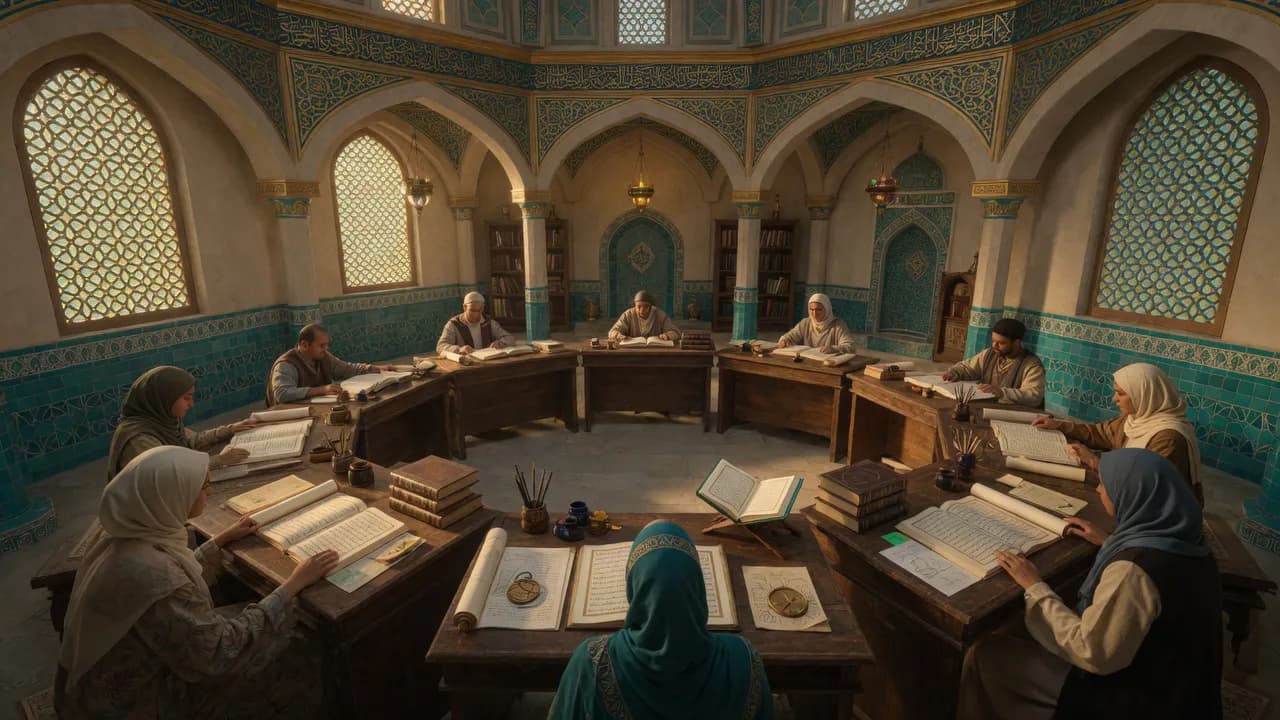
Group Work and Building a Scholarly Community
How the culture of a scholarly community is built at DİDAR through discussion groups, book analyses, and academic seminars.
Read Article
DİDAR Branches: Centers of Islamic Sciences in Four Turkish Provinces
Istanbul Anatolian, Istanbul European, Kayseri, and Kocaeli branches: shared curriculum, educational model, and regional Islamic sciences services.
Read Article
Öğrenci Başvurusunda Nelere Dikkat Edilmeli?
Didar Akademi öğrenci başvuru sürecinde merkez seçimi, eğitim durumu, Kur'an bilgisi ve değerlendirme aşamaları.
Read Article
Veliler İçin İlim Eğitimi Rehberi: Çocuğunuzun Yolculuğuna Nasıl Destek Olursunuz?
Çocuğunuzun ilim yolculuğunda veli olarak üstlenebileceğiniz rol; niyet, takip, iletişim ve Didar'ın gelişim takibi sistemi.
Read Article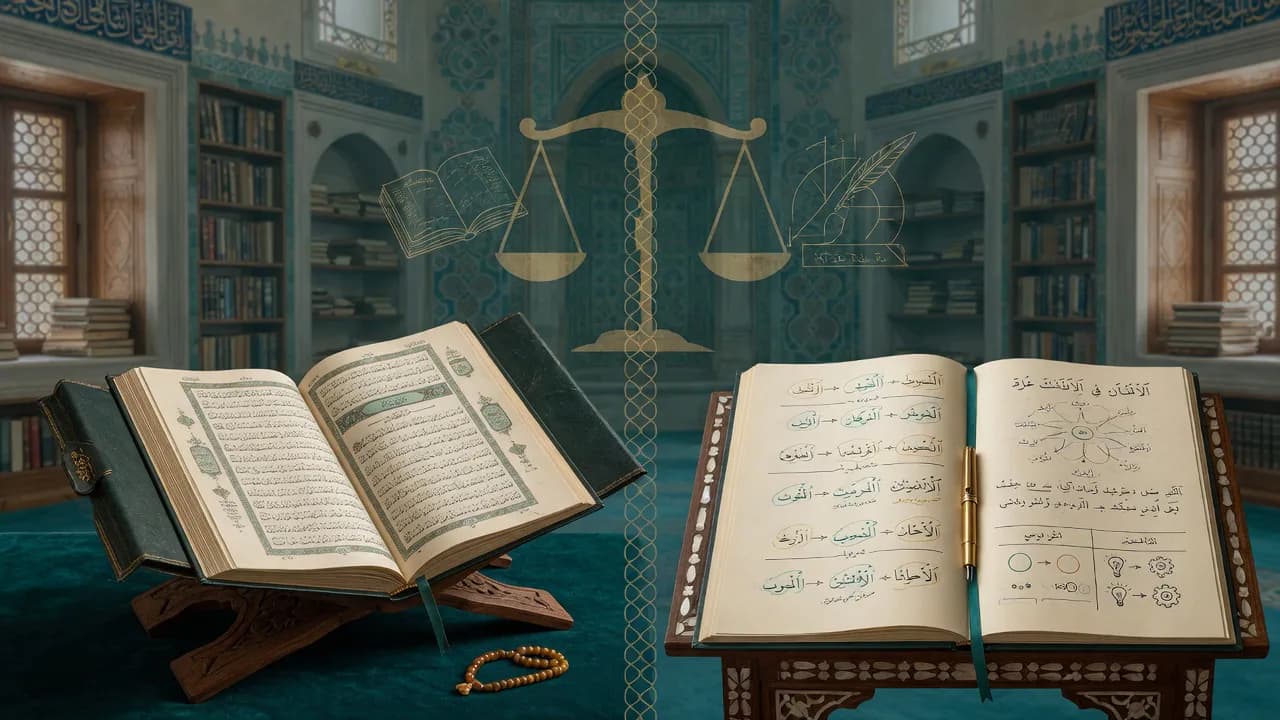
The Balance of Memorization and Comprehension: The Secret to Lasting Learning
The balance between memorization and comprehension in Islamic sciences education, conscious study away from blind repetition, and applications within the DİDAR educational model.
Read Article
Not Tutma Sanatı: İlim Tahsilinde Etkili Yöntemler
İlim tahsilinde not tutmanın önemi, etkili not alma yöntemleri ve Didar'ın mütalaa-müzakere disipliniyle bütünleşen not çalışması.
Read Article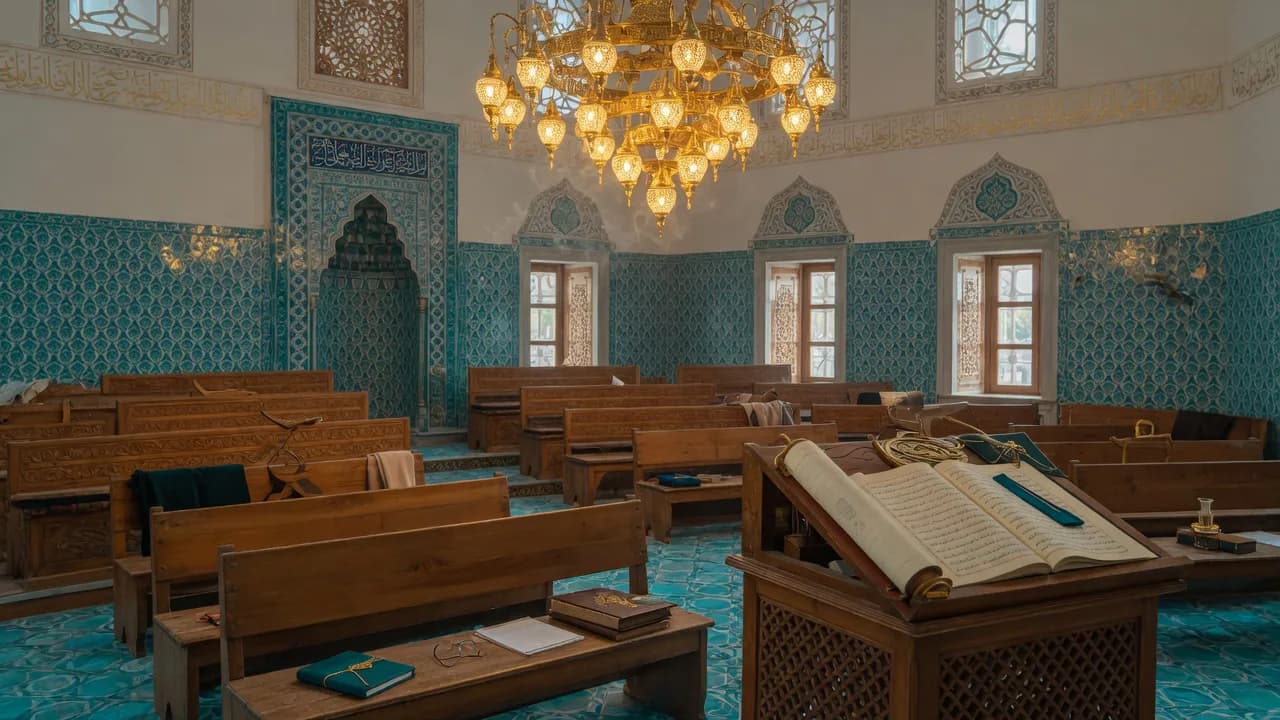
Academic Seminars: Strengthening the Scholarly Community
The role of academic seminars organized at DİDAR Academy in the educational model, community consciousness, and the participation of young people in the culture of academic discussion.
Read Article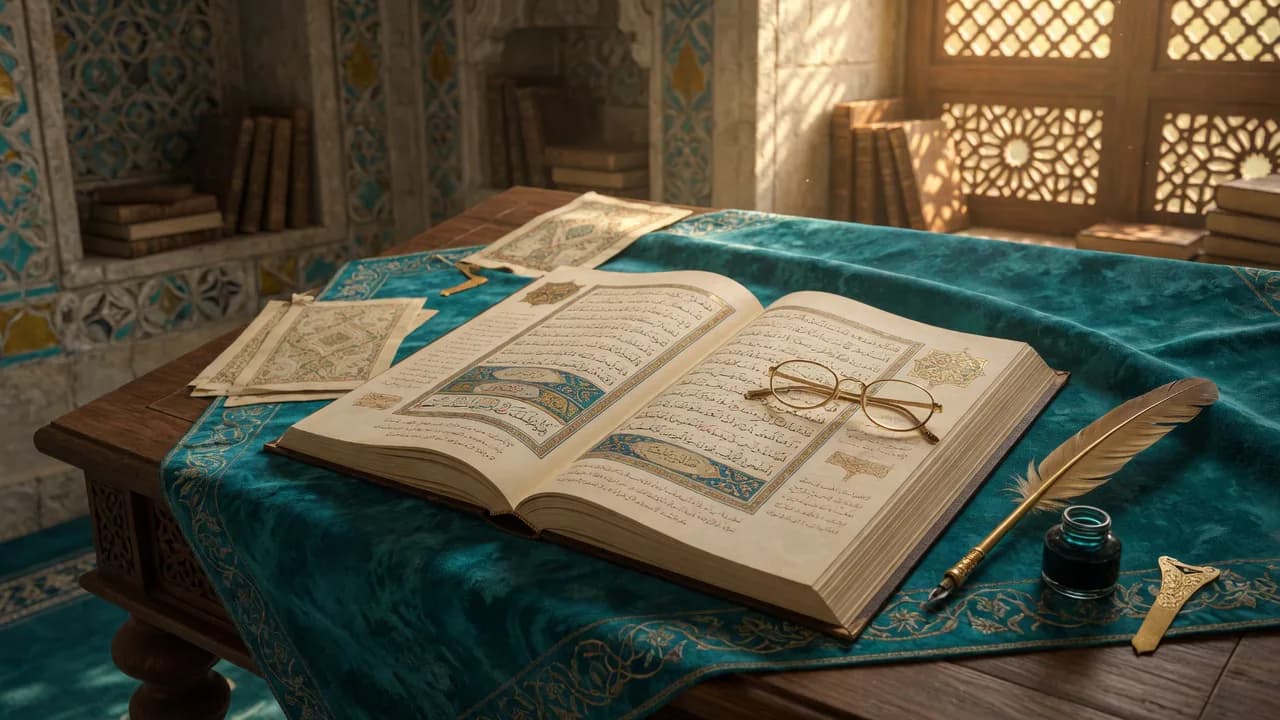
The Tradition of Book Analysis and Its Role in Education
The place of the book analysis tradition in classical madrasa education, weekly applications at DİDAR, and the holistic reading skill it provides to students.
Read Article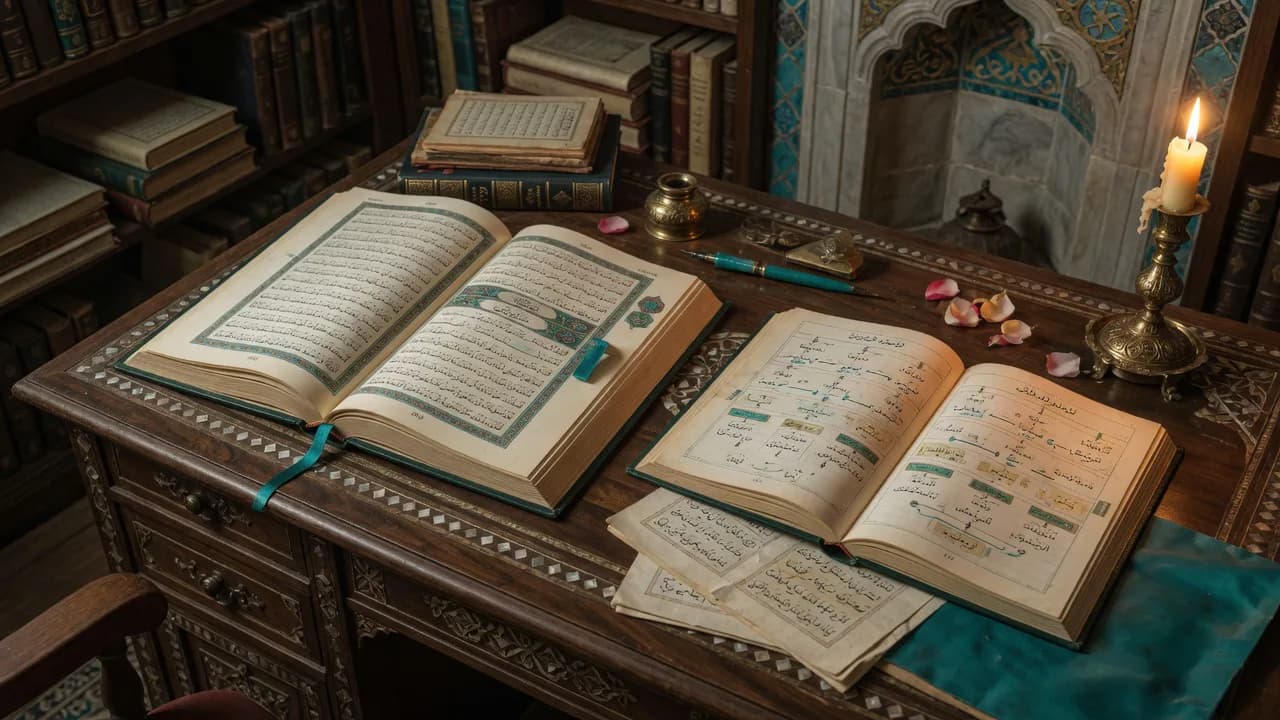
Roadmap for Islamic Sciences Education for Memorizers of the Qur'an
Planning the educational journey after memorizing the Qur'an, deepening memorized knowledge through comprehension and text reading; opportunities offered by the DİDAR curriculum to memorizers of the Qur'an.
Read Article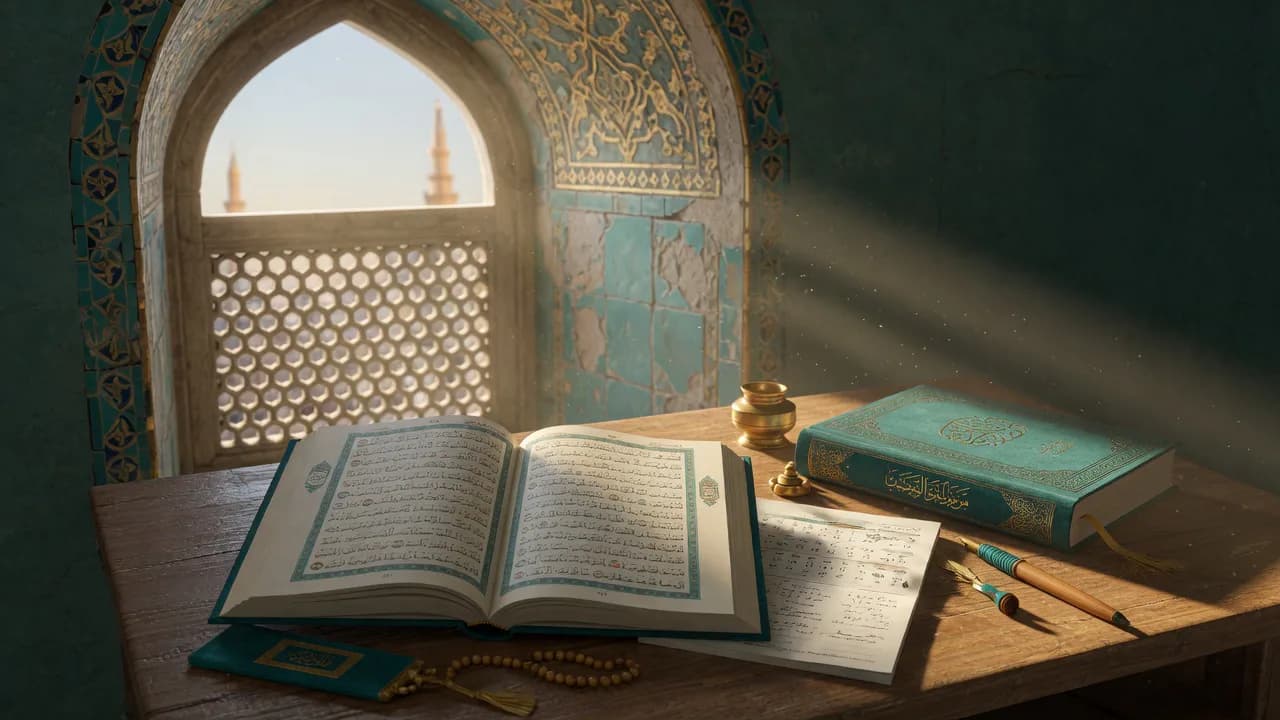
Early Start for High School Students: Islamic Sciences Education
Advantages of an early start in Islamic sciences during high school, Arabic language foundation, and DİDAR's disciplined after-school curriculum.
Read Article
A Guide to Islamic Sciences for Open Education Faculty of Theology Students
Structural challenges faced by Open Education Faculty of Theology students and solutions offered by DİDAR's flexible program, academic support, and mütalaa model.
Read Article
Why is Arabic Indispensable in Faculties of Theology?
The central position of Arabic in faculties of theology, proficiency in reading texts, and the role of DİDAR's four-year Arabic preparatory program.
Read Article